Interview

Sleeping Giant x TDL: bringing clarity to complexity through video, animation, and information design

TDL’s TL:DR

Introducing our partnership

Sleeping Giant and TDL share a common goal: making complex information easier to understand. Led by TDL’s Marketing Analyst, Abi Buller, this conversation brings together Joe Higgins and Sean Austin to explore how strategy, storytelling, motion and information design can help organisations communicate complex ideas with greater clarity and impact.

The conversation also touches on the value of thinking beyond individual pieces of content, and why video isn’t always the answer. Finally, Joe and Sean consider the growing role of AI and why clear thinking, audience understanding, and strong storytelling will remain critical as content becomes easier to produce.

"Video allows you to take audiences on a journey, combining visuals, motion and sound to explain ideas in a way that’s engaging and memorable."

Joe Higgins
Head of Production at Sleeping Giant

Abi: For those who haven’t come across Sleeping Giant before, can you tell us about what you do? 

Joe: We’re a full-service video and animation production company, which means we work with clients from the earliest stages of a project – not just creating content, but helping shape the communication strategy behind it. We start by understanding what they need to say, who they’re trying to reach, and where that message will be seen. Our role is often to bridge the gap between what a business wants to communicate and what its audience actually needs to hear.

Abi: How can video and animation help communicate complex information?

Sean: Video is often the gateway into a complex subject. Clients sometimes come to us wanting to explain everything in a single piece of content, but that’s rarely the most effective approach. Instead, we’ll often recommend a hero video supported by shorter, more focused pieces that explore individual topics in greater depth. We’re also always thinking beyond a single project. During production, we capture enough material to build a library of content that clients can reuse across future campaigns. That gives them better value while creating a more flexible communications toolkit.

“We [TDL and Sleeping Giant] don’t simply accept a brief at face value – we ask questions, challenge assumptions and work together to understand what success actually looks like.”

Sean Austin
Head of Creative, Sleeping Giant

Content strategy

Communication challenges

Abi: Audiences consume information in many different ways. How do you decide when video is the right format?

Sean: Video isn’t automatically the answer to every communication challenge. Sometimes another format will communicate the message more effectively, and it’s important to be honest about that.

Joe: We always start by asking why the content is being created, who it’s for, and where it’s going to be used. If an infographic, presentation or document is better suited to the objective, we’ll recommend that instead. Building trust with clients means putting their interests ahead of selling a particular service. In the long run, helping clients choose the right solution creates much stronger partnerships than producing content simply because that’s what was originally requested.

"We challenge assumptions, simplify the structure of messages, and help clients prioritise what people need to know first."

Joe Higgins
Head of Production at Sleeping Giant

Abi: What communication challenges do organisations commonly face?

Joe: One of the biggest challenges is that clients are often experts in their own field. They know their subject so well that it’s easy to assume the audience shares the same knowledge. Our job is to step into the audience’s shoes and ask the questions they would ask. That often means challenging assumptions, simplifying the structure of the message, and helping clients prioritise what people really need to know first.

Abi: We’ve worked together across a range of projects. From your perspective, what makes the partnership between Sleeping Giant and TDL effective? 

Joe: Both organisations are focused on the same goal: helping audiences understand complex information. Whether it’s through motion, video or information design, we’re trying to communicate clearly and ensure content achieves a specific objective.

Sean: I also think we share the same mindset when it comes to working with clients. We don’t simply accept a brief at face value – we ask questions, challenge assumptions and work together to understand what success actually looks like. That attention to detail, from briefing through to delivery, is what produces stronger outcomes.

Bids and tenders

Winning work, together

Abi: TDL has extensive experience in bids and tenders. What additional value can video and animation bring to a competitive submission?

Joe: Bids are often highly technical, so video can help bring a proposal to life. It allows organisations to demonstrate their methodology, explain complex delivery processes and visualise information that would otherwise be difficult to communicate in static formats. It also introduces the people behind the submission. Even in business-to-business environments, contracts are delivered by people. Giving evaluators the opportunity to meet the team and understand how they’ll work together helps build confidence and create a stronger connection.

"Before writing scripts or creating storyboards, you need to understand your audience, your objectives, and the channels where the content will appear."

Joe Higgins
Head of Production at Sleeping Giant

Abi: What advice would you give organisations considering video and animation for the first time?

Sean: Treat it as an investment rather than an isolated project. It’s worth taking the time to create something properly and think carefully about how that content will be used once it’s produced. Great content still needs a clear distribution strategy to succeed.

Joe: That’s right – strategy comes before production. Before writing scripts or creating storyboards, you need to understand your audience, your objectives, and the channels where the content will appear. Those decisions shape everything else, from the creative approach through to the budget. 

Looking ahead

Adding value to your message

Abi: Looking ahead, what opportunities do you see for organisations that combine information design, storytelling, and motion? 

Joe: As AI makes it easier to produce content, the real differentiator will be creating content that’s genuinely effective. Strategy, audience understanding and clear storytelling are becoming even more valuable because they’re much harder to automate.

Sean: AI is a useful tool, but it’s not a substitute for good thinking. The technology can help with productivity, but organisations still need people who understand how to shape a message and challenge ideas. That’s where partnerships like Sleeping Giant and TDL add real value. 


Employee-ownership

Becoming an employee-owned company

Introduction

What’s an employee-owned (EO) business?

Our friends at Harrison Clark Rickerbys have kindly provided the ‘legal speak’ version of what an employee ownership trust (EOT) is: 

“An employee ownership trust (EOT) is a form of employee trust offering indirect ownership of shares by employees. It is a collective vehicle which acquires a controlling interest in a company and then holds that interest for the long-term benefit of the company’s employees. EOTs were born out

of a desire to increase employee ownership of UK businesses. Studies have consistently shown that employee-owned businesses perform better, demonstrating greater resilience, innovation, and profitability. Employees show greater commitment to, and engagement with, a business when they have a stake in it.”

Companies with employee-owned models are varied; they include John LewisARUP and Riverford Organic Farms. 

Our story

TDL founder Oliver Tomlinson announces the shift to becoming an employee-owned business. Read on to discover the full story:

I founded Tomlinson Designs Limited (not many people know that’s what TDL stands for!) back in 2011. After more than a decade as founder, decided to sell my 100% ownership of the business to an Employee Ownership Trust (EOT) in September 2023. This trust acts on behalf, and for the benefit of, the amazing team here at TDL.

"Being a Trustee Director allows me to foster a sense of ownership and empowerment among the TDL employees, ultimately leading to a more engaged and motivated team."

Dave Stroud
Head of Operations and Employee Representative to the EOT Board
 

Employee ownership wasn’t a fix for TDL; it strengthened what already worked in terms of staff motivation, employee retention, and company culture. The real benefit is shared ownership, as the team sees how their effort directly shapes the business. The EO model reinforces long-term stability, helping attract and retain strong people. It also brings financial upside, with the option to pay employees tax-free bonuses of up to £3,600 annually. 

As for our clients and partners, they have the reassurance that we have a proven model putting our employee’s interests at the heart of what we do. Thanks to our EO status, there’s now little chance of TDL being bought out and losing its great culture, so we will continue to be a sustainable and reliable partner, offering a market-leading information design service. 


“Becoming employee-owned in 2023 marked an exciting new era for TDL. It’s clear that our greatest strength is our people. We’re a team – enthusiastic, creative and (as our clients tell us), great to work with.”

Craig Melvin
Creative Director
 

Looking ahead

Evolving, together

Since becoming employee-owned, TDL has continued to evolve in ways that reflect the strength and ambition of the team. Craig Melvin has spent the past few years in the role of Creative Director, helping shape the next phase of the business and the quality of work we deliver. Meanwhile, Oliver has relocated to Australia to establish TDL APAC, extending our reach and creating new opportunities internationally. The transition to employee ownership has also connected us with other like-minded businesses.


Over the past two years, we’ve attended the Employee Ownership Association (EOA) conference, sharing ideas and learning from other organisations committed to building sustainable, people-led companies. For me, becoming a employee-owned marked the beginning of a new chapter for TDL rather than the end of one. The goal remains the same: to build a growing, resilient business owned by the team who make TDL what it is. 

TDL APAC

From the UK to Sydney: how TDL expanded internationally

TDL APAC

Into the unknown

Oliver Tomlinson, founder of TDL-Creative, shares his journey of moving from Wales to Sydney, the realities of taking a leap into the unknown, and how our employee-owners were involved in the process of launching TDL APAC.

TDL APAC

The seed of an idea

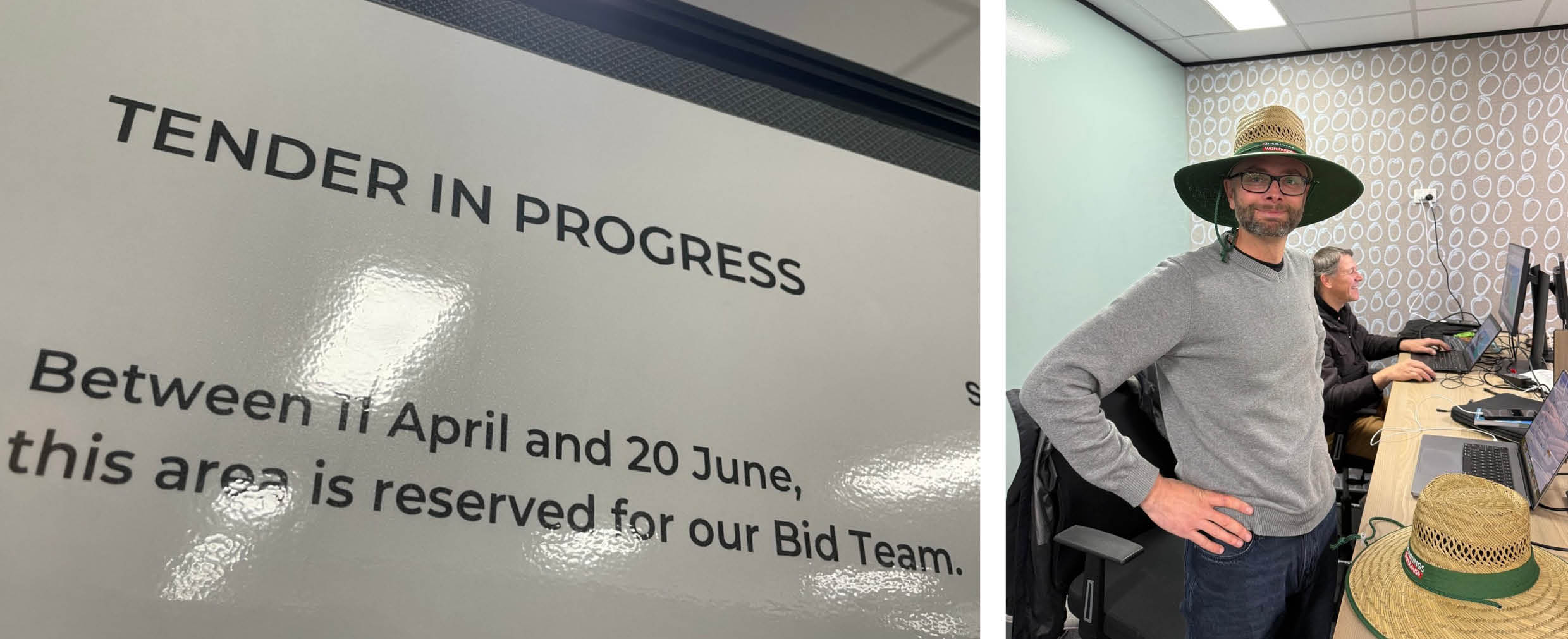
Back in May 2025, I found myself helping a TDL client in Sydney. I’d never been to Australia before and was surprised when I got the all-important green light from my wife to help on a bid project over there. That trip was the catalyst for major life decisions and upheaval over the following six months.

I loved being back at the ‘coal face’ of bidding, helping on-site to facilitate a great working relationship between our client and the TDL team back in the UK. Hours were long, but that never matters when you’re part of a great team, all striving to get the best bid out of the door.

"I loved being back at the ‘coal face’ of bidding, helping on-site to facilitate a great working relationship between our client and the TDL team back in the UK."

Oliver Tomlinson
General Manager at TDL APAC

When I had the crazy idea of uprooting my life to move to Australia, my thinking was that I’d just set up another branch of TDL in Sydney, surely that’s not going to be too difficult? But this was a big decision, and now the agency I’d originally founded in 2011 was 100% employee-owned, this couldn’t be one of my crazy in-the-moment ideas. This was something I needed the input and backing from the whole TDL team. We structured a clear process of developing the idea based on a thorough business plan.

This business plan may have originally been required for the visa, but it soon turned into a live document, being scrutinised by the team, with thoughts inputted, discussed, revised and ticked off as a group rather than an individual. Sometimes it was hard, but it was a great process to go through and gave me a sense of responsibility of making the right decisions for the team, not just for myself as a director.  


“As TDL is a 100% employee-owned business, I needed the input and backing from the whole team.”

Oliver Tomlinson
General Manager at TDL APAC

Putting down roots

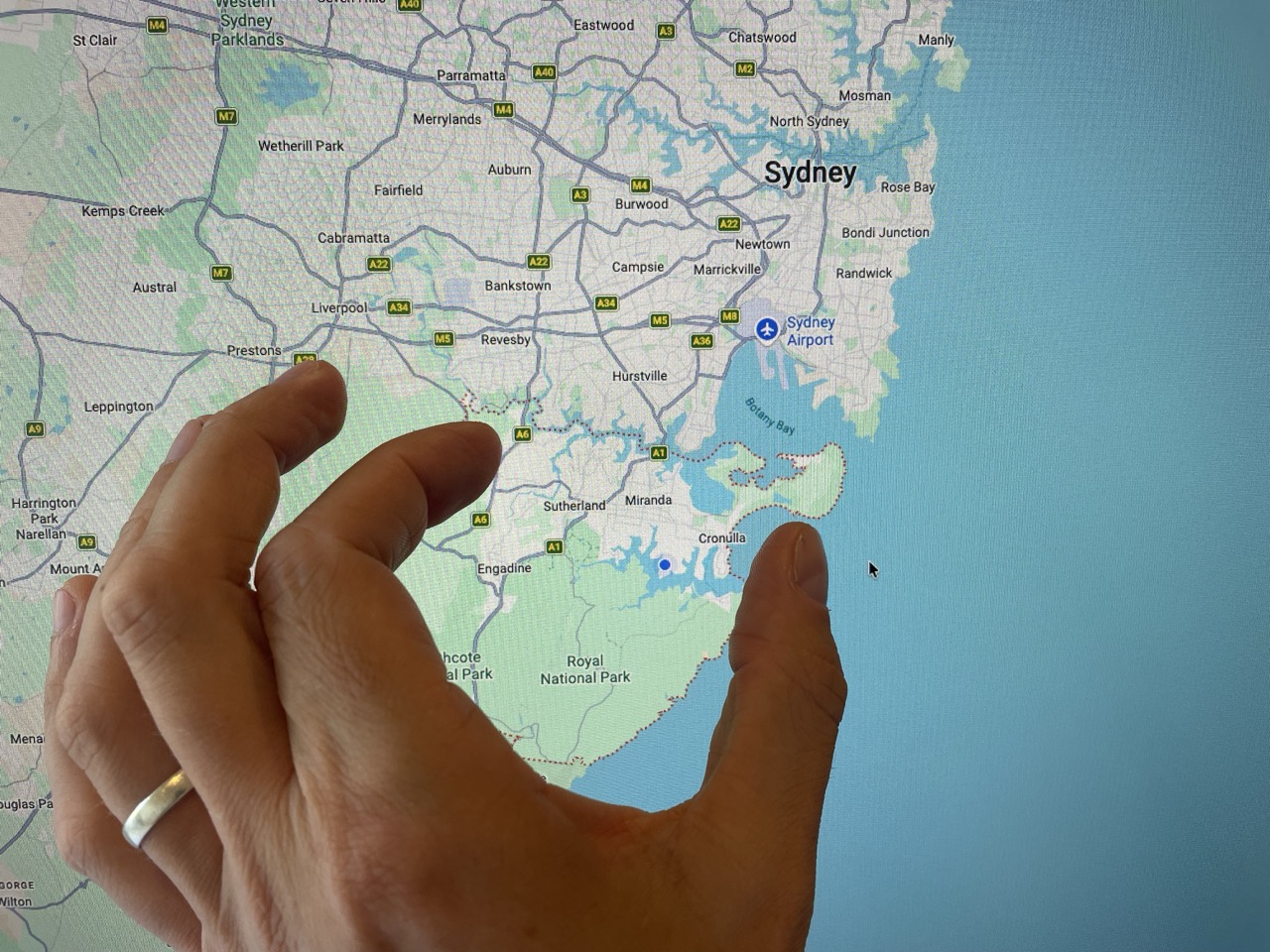
I was lucky to have several ex-Amey colleagues who’d set up in Sydney’s Sutherland Shire in the south, commonly referred to as ‘The Shire’. It was here that I spent most of my time trialling Australia earlier in the year, so it was here that we focused our searches. It was an hour on the train into the Central Business District (CBD), but it had everything we needed, and most importantly, a small group of connections. I honestly don’t think we’d have taken the leap if it weren’t for our existing friends in Sydney.

It’s been a very steep learning curve so far, and I might be a ‘one man band’ over here right now, but I’m lucky to have the capability and experience of the TDL team back in the UK to call on when needed. Everything is set, so it’s time to see how things develop over the coming years. Watch this space!

TDL APAC

Thank you

To my family: for the belief in this crazy idea and the willingness to give it a go.

To the TDL team: for the trust, challenge and enthusiasm in allowing me to set up another TDL on the other side of the world.

To my friends: Especially my ex-Amey colleagues and new work friends in Australia for the support, confidence and essential ‘local knowledge’.

To our advisors: for all the practical elements, the teams at ASG Visa and ABN Australia, and Paul Wright of the Australian British Chamber of Commerce.