
Isometric Illustrations
Exploring the benefits and challenges of isometric illustrations

Introduction
Introducing isometrics
Even those unfamiliar with the term ‘isometric illustration’ have likely encountered the style in video games, logos, magazines or marketing materials.
At TDL, we regularly use isometric graphics as a powerful way to communicate complex information. Their ability to combine depth, clarity and flexibility makes them particularly valuable in information design, helping organisations explain processes and visualise concepts.
In this article, we explore the role of isometric graphics in our work, the benefits they offer, and the challenges to consider when using them. Drawing on our experience delivering complex information design projects, we share some of the key lessons we have learned along the way.
At TDL, we regularly use isometric graphics as a powerful way to communicate complex information. Their ability to combine depth, clarity and flexibility makes them particularly valuable in information design, helping organisations explain processes and visualise concepts.
In this article, we explore the role of isometric graphics in our work, the benefits they offer, and the challenges to consider when using them. Drawing on our experience delivering complex information design projects, we share some of the key lessons we have learned along the way.

Isometric Illustrations
What isometric means
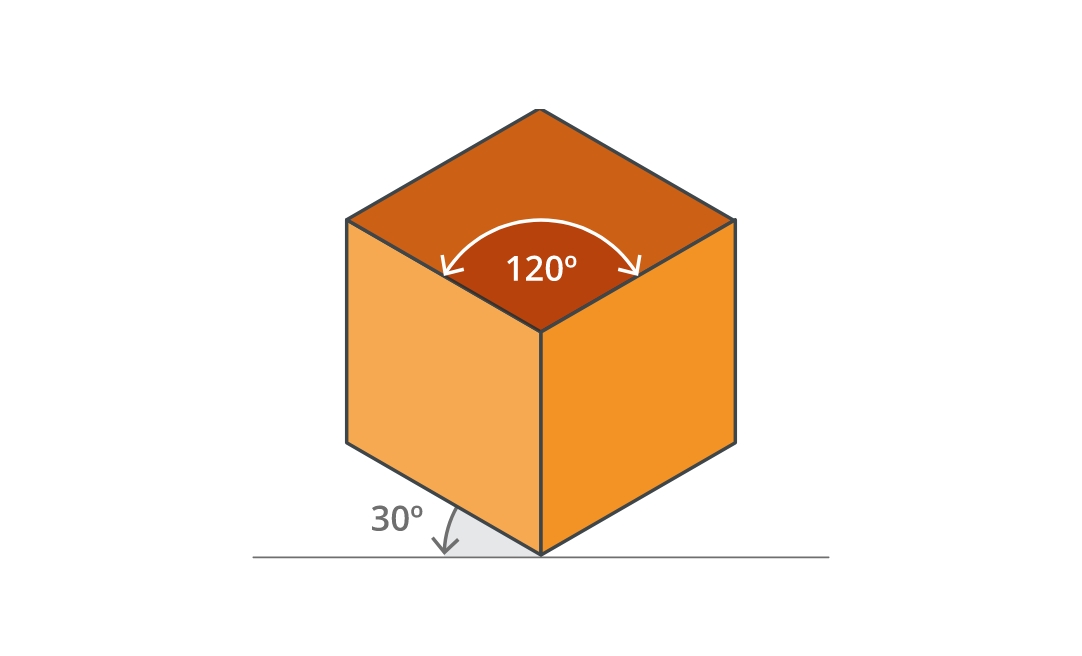
Isometric illustration is a method of representing three-dimensional objects on a two-dimensional surface. Unlike traditional perspective drawings, all elements follow the same geometric rules, creating a structured and consistent visual style. Originally developed for engineering and architectural applications, isometric graphics have evolved into a flexible communication tool.
Their distinctive appearance helps audiences understand spatial relationships, systems and processes while maintaining a clean, approachable aesthetic. One of their greatest strengths is adaptability. Because every object follows the same projection system, illustrations can be modified, expanded or rearranged without compromising visual consistency. This makes them particularly valuable for projects that evolve through multiple design stages.

"Isometrics are also brilliant tools from a digital standpoint. They can be used to create immersive worlds through animation and interactivity, bringing layers of information into a concept."
Craig Melvin
Creative Director at TDL
The appeal of isometric illustration extends beyond print and static communications. In digital environments, they provide opportunities to build immersive experiences that encourage exploration and interaction. Through animation, layering and interactive elements, isometric worlds can reveal information progressively, helping audiences engage with complex subjects in a more intuitive way.

The benefit
Why clients choose isometrics
Isometric graphics offer several practical benefits when communicating complex information. They can hold more information than traditional flat illustrations while remaining clear and accessible. The added depth allows designers to show relationships, processes and environments that would otherwise require multiple separate graphics. They are also highly customisable. From colour palettes and branding elements to levels of detail, isometric illustrations can be tailored to fit seamlessly within an existing visual identity. Their ability to create detailed scenes makes them particularly effective for information design, technical communications and bid submissions where context is critical.
The benefit
Where they work best
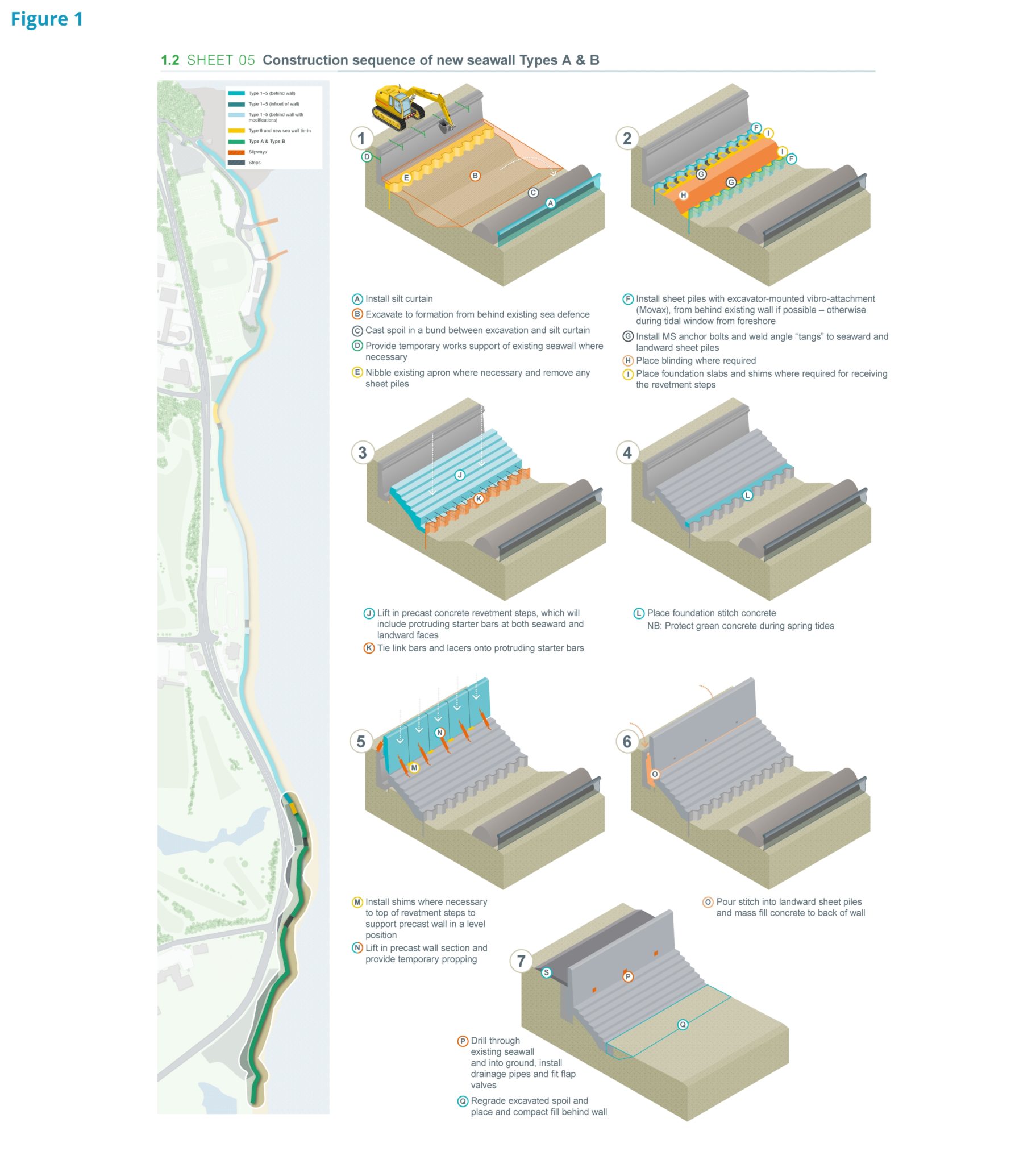
At TDL, isometric illustrations are frequently used to support: hero diagrams (or ‘rich pictures’) to provide an overall understanding of key subject matter, process diagrams, technical drawings to show structures, design details, instructions, and floor plans.
They are particularly effective when explaining physical environments, infrastructure projects or services that involve multiple interconnected elements.


Challenges
Factors to consider
While isometric graphics can be incredibly effective, they are not always the right solution. Because they often contain a high level of detail, they can become difficult to read at smaller sizes. They also require more planning and production time than simpler illustration styles.
Before committing to an isometric approach, it is important to consider the audience, communication objectives and available project timescales. A detailed brief and clear understanding of the required content will help ensure the final output delivers maximum value.
Before committing to an isometric approach, it is important to consider the audience, communication objectives and available project timescales. A detailed brief and clear understanding of the required content will help ensure the final output delivers maximum value.
Process
Creating a coherent visual system
Large-scale projects often include a range of visual assets, from icons and infographics to diagrams and illustrations. When incorporating isometric graphics, consistency across the wider visual system is essential.
Establishing clear rules around colour, typography, scale and styling helps create a coherent user experience. When integrated effectively, isometric illustrations can become a central part of a visual language that supports communication across multiple platforms and formats.
Establishing clear rules around colour, typography, scale and styling helps create a coherent user experience. When integrated effectively, isometric illustrations can become a central part of a visual language that supports communication across multiple platforms and formats.

Final thoughts
Isometric illustrations offer a unique combination of creativity, clarity and flexibility. Whether explaining a technical process, visualising a future concept or creating an interactive digital experience, they provide an engaging way to communicate complex information. With careful planning and thoughtful design, isometric graphics can transform complicated ideas into visuals that audiences understand, remember and enjoy exploring.